

Page information and credit to KIDNEY HEALTH NZ & THE KIDNEY SOCIETY
MARCH - KIDNEY HEALTH MONTH

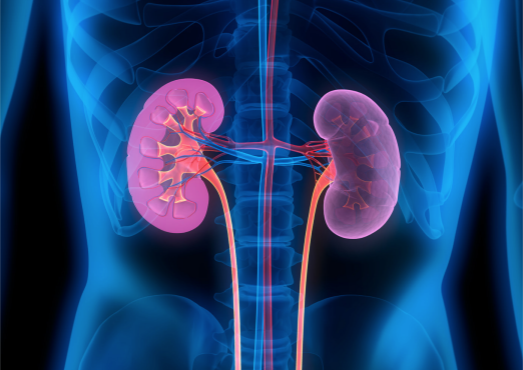
The kidneys are two bean-shaped organs located on either side of the spine, just below the rib cage. Each kidney is about the size of a fist and plays a crucial role in maintaining overall health and homeostasis in the body.
They work hard to clean your blood and create urine for you 24 hours a day. Without kidney function, you would struggle to process toxins and eliminate waste, and this would have a devastating impact on your health.
It’s important to keep your kidneys healthy so they can perform these important tasks throughout your life. If your kidneys are not healthy, other organs in your body may suffer and this could lead to further health complications.
Maintaining kidney health is vital for overall well-being. Chronic kidney disease (CKD) can lead to a buildup of waste products in the body, causing various health issues such as high blood pressure, anemia, weak bones, and nerve damage. To keep your kidneys healthy, it's important to stay hydrated, eat a balanced diet, exercise regularly, and avoid excessive use of medications that can harm the kidneys.
As many of the signs and symptoms are non-specific and may be attributed to other causes. Kidney disease is often discovered by chance.
ACUTE KIDNEY INJURY (AKI)
WHAT IS AKI?
Acute kidney injury (AKI) is a sudden drop in kidney function, which means that your kidneys do not work as well as they should. This can range from a small loss of function to complete failure.
AKI normally happens as a complication of another condition.
It does not mean that you have hurt your kidneys in the same way you can hurt other parts of your body (for example, by falling over or getting hit).
AKI is usually temporary and often gets better without causing any long-term problems. However, it is important that is detected early and treated promptly.
AKI is not the same as chronic kidney disease (CKD) which does not get better, but can be slowed or managed with treatment.
KIDNEY FACTS
• Your kidneys are small, fist-sized organs, shaped like beans.
• They are in the middle of your back, one on each side of your spine.
• Most people have two kidneys, but you may be born with only one.
Your kidneys help to:
• Clean your blood.
• Control your blood pressure.
• Make urine and keep the right amount of fluid in your body.
• Make a hormone that helps produce red blood cells.
• Control minerals in your body like potassium and phosphate.
• Help maintain healthy bones.
what are the symptoms of aki"?
You may not have any symptoms of AKI and it may only be found during a routine blood test.
If you do have symptoms, these may include:
• producing less urine
• being very thirsty
• feeling or being sick
• swelling of the legs or feet
• feeling generally ill, like a hangover
• excessive tiredness
• confusion
These symptoms may appear suddenly over just a few days.
AKI is more common in people over the age of 65, especially if they have other health conditions, but it can affect people of all ages.
How is aki diagnosed?
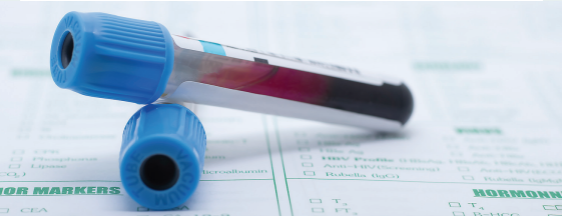
AKI is diagnosed by a blood or urine test.
You may also have an ultrasound scan of your kidneys to check for
any other problems.
what are the causes of aki?

How is aki treated?
Treatment depends on the cause of AKI.
If the AKI is caused by dehydration, it may get better by simply drinking more water. If you are very dehydrated, you may be given a drip that delivers fluid directly into your body through a tube in your arm.
You may be prescribed antibiotics to treat any infection. Your doctor may advise you to temporarily stop taking some of your existing medication or adjust the dose. This is known as ‘Sick day rules’. Once your kidney function starts to recover, your doctor will review your medications to see whether they can be restarted
AKI is usually treated by your GP and most people do not need to see a specialist kidney doctor.
However, in severe cases, you may need to go into hospital to have dialysis. This is a treatment for severe kidney disease and uses a machine to remove the waste products and excess fluid that build up in your body when your kidneys stop working.
Most people with AKI only need to have dialysis for a few days or weeks until their kidneys start working again.
what happens next?
Most people with AKI make a full recovery and do not need any long-term treatment.
Your GP will monitor your kidney function and blood pressure for at least three years after an episode of AKI.
You should check with your doctor before taking any new medicine or herbal supplements in case they could damage your kidneys.

NUTRITION & CKD
Eating well when you have Chronic Kidney Disease
When you have chronic kidney disease (CKD) a healthy diet is an important part of looking after your kidneys and your health.
Healthy eating can help manage diabetes and high blood pressure. Managing diabetes and high blood pressure well helps to slow progression of kidney disease. Healthy eating can also help you to achieve and maintain a healthy weight, which can help protect your kidneys.
Healthy eating is good for everyone. Healthy eating is good for kidney health and can help reduce the risk of heart disease and stroke.
This information is general information for adults who have early chronic kidney disease. A kidney/renal dietitian can give you more tailored advice and help you to meet your nutrition goals. If you have advanced kidney disease or would like further information, talk to your doctor about a referral to a kidney/renal dietitian.
Chronic Kidney Disease Nutrition Video

HEALTHY EATING, ACTIVE LIVING BOOKLET


FAQ - Frequently Asked Questions
-
A healthy diet includes a balance of vegetables, fruits, whole grains, and protein such as nuts, legumes, dairy foods, eggs, lean meat and fish.
For more information on how to eat a healthy diet see: Ministry of Health – Healthy eating active living.
-
Salt contains a mineral called sodium. Sodium is also found in many packaged and processed foods. Your body only needs a small amount of sodium. Most people eat too much sodium.
Eating less salt or sodium helps to control blood pressure. Controlling blood pressure helps slow progression of kidney disease and reduce risk of heart disease. Eating less salt is good for general health and heart health.
Tips for eating less salt (sodium)
Fresh is best
Prepare more food at home using mostly whole foods and minimally processed ingredients. Swap takeaways for home cooked meals. Choose fresh meat, chicken, fish or eggs. Eat less processed meat such as ham, bacon, salami and sausages.Use less salt in cooking and at the table
Use less table salt, rock salt, sea salt and pink Himalayan salt which all contain sodium. When you use salt at home, use iodised salt.Use herbs and spices to flavour food
Add flavour to meals with pepper, herbs, spices, garlic, ginger and lemon.Use less salty ingredients when cooking and serving food
Limit soya sauce, fish sauce, stock powder, tomato sauce, packet meal mixes and spice mixes/rubs containing salt or sodium.Avoid salt substitutes
‘Lo-salt’ and ‘Mrs Rogers Iodised Low Sodium Salt Mix’ are examples of salt substitutes. Salt substitutes are not recommended for people with kidney disease. Using salt substitutes does not help you adjust to eating less sodium. Salt substitutes contain large amounts of potassium instead of sodium.Learn to read labels
Many processed foods can be high in sodium such as processed meats, smoked foods, noodles and soups. Check the labels to look for lower sodium options. How Can I Tell If A Food Is Healthy?For more information on eating less salt and sodium see the following links:
Salt and Blood Pressure
Slash the Salt -
Highly processed foods are often low in fibre and high in salt, sugar and unhealthy fats. People with and without kidney disease should eat less of these foods for good health.
Tips for choosing less highly processed foods
Swap fizzy and sweet drinks for water
Limit packaged snacks such as instant soups, noodles, lollies and biscuits
Swap highly processed snacks for whole foods like vegetables, fruit, and wholegrains
Choose wholegrain and high fibre breads and cereals
Swap processed meat and cheeses for fresh unprocessed nuts, legumes, dairy foods, eggs, lean meat and fish.
-
Protein foods include legumes, nuts, seeds, fish and other seafood, eggs, poultry (e.g. chicken), meat and dairy foods. Choosing the right amount and type of protein is important for healthy eating and kidney health.
How much protein should I eat?‘Not too much, not too little’. Your body needs protein for maintaining strength, repairing muscles, healing wounds and fighting infection. Your body digests and uses protein from the food we eat. The kidneys get rid of the waste products from the protein we eat. Eating too much protein makes the kidneys work harder.
Eating the right amount of protein can help protect your kidneys. Most people eat too much protein. The amount of protein you need depends on a range of factors such as age, body size, activity and medical conditions. Healthy eating guidelines are a good place to start with how much protein to eat.
For more information:
Ministry of Health – Healthy Eating Active Living GuideWhat protein foods should I choose?Most people eat protein from both plants and animals. Plant-based proteins include legumes (beans, peas, lentils), nuts and seeds. Animal based proteins include fish and other seafood, poultry (e.g. chicken), eggs and dairy foods. Keep to moderate serves of animal proteins and try to include plant-based proteins more often. Plant-based diets may be helpful to slow progression of chronic kidney disease.
Choose protein foods that are not highly processed. Limit highly processed foods as they are often low in fibre and high in salt, unhealthy fats and sugars.
Choose fresh unprocessed plant-based proteins
Choose legumes and pulses such as beans, lentils, and peas. If using canned legumes, then choose ‘no added salt’ or drain and rinse before use. Limit highly processed foods and check labels for those with lower sodium.Choose fresh unprocessed meat, fish, poultry, eggs and dairy Cook mostly at home and choose fresh unprocessed meat, fish, chicken, eggs and dairy. Limit highly processed meats like ham, luncheon, salami, sausages and smoked products. Limit individually wrapped cheese slices.
-
Unless advised otherwise by a doctor or health professional, people with chronic kidney disease should drink 8-10 cups of fluid a day. This is the amount recommended in healthy eating guidelines for adult New Zealanders. Make water the first choice of drink.
You may be advised by a doctor or kidney team to drink a different amount of fluid. People who have fluid overload may be advised to drink less. People with kidney stones may be advised to drink more. Fluid advice will be specific to you, and you should be guided by your medical team.
-
If you are overweight aim to achieve and maintain a healthy weight. A healthy weight helps protect your kidneys and control blood pressure and cholesterol levels. Being overweight or obese is an independent risk factor for chronic kidney disease.
Eating a healthy, balanced diet and keeping physically active can help you achieve a healthy weight. Keep to recommended portion sizes and limit foods that are high in energy such as sweet and fatty foods. Find ways to be more active every day.
Losing weight takes time. Make changes to your lifestyle that you think you can stick to. Even losing a small amount of weight can improve your health. Make a start by visiting the Ministry of Health – Healthy Eating Active Living Guide.
Some weight loss diets, or ‘fad’ diets, may be damaging for people with kidney disease. Consult with your medical team before starting these. People with advanced kidney disease (stages 4-5) should consult their medical team before attempting a weight loss diet.
If you are underweight, have symptoms that effect your eating, or if you have lost weight quickly without trying, talk to your medical team. Symptoms that effect your ability to eat are common for people with chronic kidney disease. You may need help to maintain your body weight, strength and nutrition status.
-
Managing diabetes well is important to help prevent kidney disease and to slow down its progression.
For adults with diabetes and chronic kidney disease, individualised advice can help you get the best control of your diabetes. Ask your doctor, dietitian, practice nurse or diabetes specialist team for more help.
Diabetes NZ provides this general advice to manage your diabetes diet well:
Drink plenty of water. Avoid drinking fruit juice and other sweet drinks
Eat breakfast, lunch and dinner every day
Base your meals around the Diabetes New Zealand ‘Healthy Plate’ model
Eat some carbohydrate food at each meal, but not too much
Choose low sugar, low saturated fat, low salt and high fibre food.
For more information:
Sugar and Kidneys
Basic Food Guide for people with Diabetes
Eating and Diabetes
Diabetes Friendly Recipes -
Many people with chronic kidney disease also have high blood pressure. Managing blood pressure well is important to help slow progression of kidney disease.
Eat a healthy diet including plenty of fruit and vegetables.
Eat less salt (sodium)
Achieve and maintain a healthy weight
For more information:
Healthy Eating
Slash the Salt
Eating well with High Blood Pressure -
There is no one ‘Renal diet’ that is right for everyone. Nutrition advice is individual to you and based on medical diagnosis, treatments, medications and your personal goals. What is right for others may not be right for you.
When you have early chronic kidney disease (stage 1-3) general healthy eating is a great place to start. A kidney/renal dietitian can give individual information about what to eat and drink when you have early chronic kidney disease. A kidney/renal dietitian can also help with nutrition for kidney related diagnosis such as kidney stones, nephrotic syndrome or polycystic kidney disease. Talk to your doctor about referral to a dietitian, or see our list of private dietitians experienced in working with people with kidney disease.
When kidney disease is more advanced (stage 4-5) nutrition issues may arise. At this stage you will likely be under a renal specialist team and your kidney doctor or nurse can refer you to a kidney/renal dietitian. The dietitian will assess medical history, blood results and diet history. The dietitian can give tailored advice to help manage your specific nutrition issues. Common nutrition issues in later stages include symptoms such as reduced appetite, taste changes and fluid overload or changes with your blood results such as high potassium and phosphate levels.
-
Many people with chronic kidney disease develop symptoms that effect their ability to eat well. At later stages of chronic kidney disease symptoms such as poor appetite, nausea, vomiting, and taste changes are common.
It is important to stay well-nourished to maintain your muscle mass and strength. If you are experiencing symptoms that are affecting your appetite, or are losing weight, discuss this with your doctor, dietitian or medical team.
-
Potassium is a mineral found in your body. Potassium is essential for keeping your body working properly. Potassium is found in many foods and drinks. Many healthy foods contain potassium. Potassium plays a role in managing blood pressure and supporting your kidney health.
Healthy kidneys control the potassium levels in your blood well. When your kidneys do not work properly, they may not be able to remove extra potassium. This can lead to higher blood potassium levels. Very high blood potassium levels must be treated as they can be dangerous for your heart. High blood potassium does NOT affect everyone with chronic kidney disease.
If you have high blood potassium levels your doctor will look for causes that can be managed, such as medications, constipation, acute kidney injury, blood glucose levels, illness and diet. Not everyone will need to change their diet to help manage high blood potassium levels. We recommend speaking with your medical team if you are unsure whether you need to change your diet.
If you need to change your diet to help manage your potassium you should see a kidney/renal dietitian. Recommendations should be individualised to you. The dietitian will help you choose a healthy diet that helps your body manage potassium and control how much potassium you eat. You can make a start by eating less highly processed foods.
Highly processed foods often contain potassium additives. Potassium in these foods is absorbed very easily by the body. Sports drinks and energy drinks also can contain potassium additives. Make water your first choice of drink.
-
A plant-based diet is a diet that contains mostly plant foods. You do not need to be vegetarian or vegan to follow a plant-based diet. Vegetarian and vegan diets are examples of plant-based diets. However, some plant-based diets do still include animal products in moderate amounts.
Plant-based diets contain mostly wholegrains, fruit, vegetables, legumes (beans, peas and lentils) unsalted nuts, healthy oils, and moderate amounts of animal products such as dairy, eggs, meat and poultry (chicken). A healthy plant-based diet focusses on whole foods and limits highly processed foods like sugary drinks, takeaways, processed meals and snacks. Highly processed foods are often high in salt, sugar, fat and low in fibre and nutritional value.
Healthy plant-based diets are associated with many health benefits such as heart health and weight control. Some studies have shown plant-based diets can help slow the progression of chronic kidney disease.
To get benefits from a plant-based diet it is important to keep a plant-based diet as healthy as possible. Include wholefoods and minimally processed foods and choose wholegrain, high fibre options.
Get started with plant-based eating
Eat plenty of fruits, vegetables and wholegrains.
Keep to moderate serves of animal protein foods as suggested in healthy eating guidelines.
Swap some meat-based meals for unprocessed vegetarian dishes.
Use less meat in a recipe and add some legumes instead. For an easy option add drained rinsed canned beans or lentils.
Swap fizzy and sweet drinks for water and fruit.
Limit packaged snacks such as instant soups, noodles, lollies and biscuits.
Swap highly processed snacks for whole foods like vegetables, fruit, and wholegrains.
For more information:
Heart Foundation - Full of Beans -
Some vitamin and mineral supplements and herbal remedies are not recommended when you have kidney disease. If you are thinking of taking vitamin, mineral or herbal supplements, discuss this with your doctor, dietitian or pharmacist first.
-
Speak to your GP, your renal specialist team or dietitian. Ask about a referral to a dietitian with experience working with people with kidney disease.
-
High phosphate levels, or hyperphosphataemia, is a common issue for people with end-stage renal disease. As kidney function declines, the levels of calcium and phosphate in the blood may alter. This can cause an increase in blood (serum) phosphate levels.
Management involves closely monitoring of phosphate levels in the blood, along with your calcium and parathyroid hormone (PTH) levels.
Treatments may include:
Calcitriol – the active form of Vitamin D.
Phosphate binders – aluminium hydroxide or calcium carbonate is prescribed to be taken with meals (to bind phosphorus and prevent if being absorbed from food eaten). Phosphate binders should be taken at the beginning of each meal.
Restricting dietary phosphorous intake.
Parathyroidectomy.
Dialysis (when required).
A renal dietitian will work with patients who have high phosphate levels to adjust their dietary intake of phosphorous. Phosphorous is often found in processed or packaged foods and is readily absorbed in the gut. Additionally, dietary protein foods are high in phosphorous, but it is important that people with advanced CKD still eat the right amount of protein. A dietitian will work with patients to help modify phosphorous intake without compromising nutritional status.


